


Princeton University Athletics
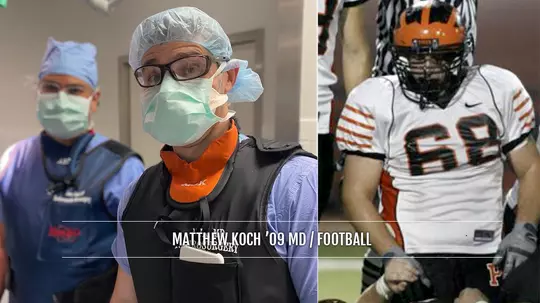
Matthew Koch ‘09 MD / Football
City, State / Workplace / Title
Chicago, IL UIC neurovascular Fellow
Medical Specialty / Other Degrees (MBA/MPH, etc.)
MD
What made you choose a career in healthcare?
My family was not in medicine, I liked science, and thought it would suit me. I didn’t have a transcendental medical experience prior to Princeton. As a freshman I became friends with our all-IVY punter Ryan Coyle (’09 a practicing Orthopedist specializing in hand surgery) and spending time with him and his dad, now a retired Orthopedist, directed me towards medicine. I flirted with the idea of pursuing a career in basic science after spending my Junior and Senior year working with Dr. Semmelhack and at one point contemplated pursuing a PhD. However, I didn’t want to delay getting out of the class room and into clinical medicine.
What is the focus of your work today?
I am currently finishing a fellowship in Open Neurovascular Surgery (UIC) in addition to two years of Endovascular Neurosurgery fellowship (MGH) and Neurosurgery Residency (MGH)
How has your work changed in the face of COVID-19?
The daily [Princeton Football] experience working towards a common goal with people of different backgrounds interests and skills prepared me for some of the most challenging aspects of working with other physicians, nurses, and patients.Matthew Koch
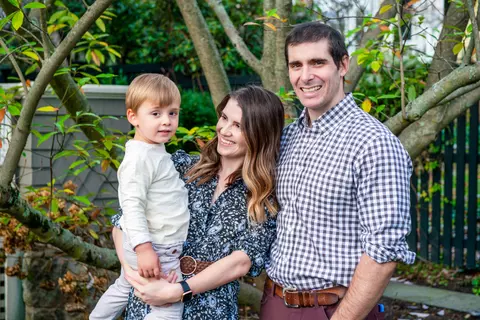
Prior to the pandemic, as a chief neurosurgery resident we were operating basically all day 5-7 days a week, then like the rest of the world things came to a grinding halt. We never “closed”, we still had emergencies to deal with, but a lot of our care coordination became virtual. We adapted to the new restrictions and slowly started to resume our prior care. After a Zoom residency graduation I transitioned to my role as a fellow in Chicago leaving my wife (’10), 3 year-old, and great grandmother-in-law in Boston. Clinically many things restarted, but instead of just wearing a mask in the OR we are wearing it all the time. International meetings are all virtual so missing a week to travel is no longer a case. Telemedicine, which we had previously done mostly for acute strokes, has subsumed a large part of our outpatient care. Virtual outpatient appointments allow us to reach a wider net of patients and to save people journeying into the city.
How did being a Princeton student-athlete prepare you for the challenges you’ve faced?
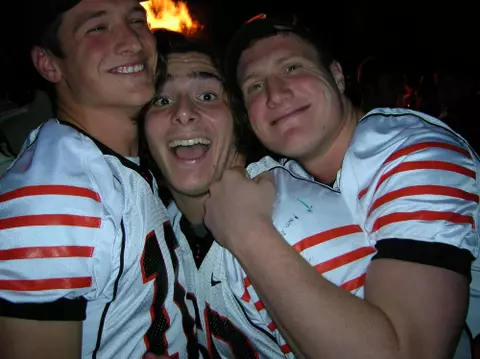
I’ve now spent almost a decade in medicine and everything is about teams. Time management, performing under pressure, and multitasking skills were all honed during my time at Princeton. The daily experience working towards a common goal with people of different backgrounds interests and skills prepared me for some of the most challenging aspects of working with other physicians, nurses, and patients.
What keeps you inspired as you look ahead?
August 2005 I packed into my parent’s 95 seafoam green Ford Windstar and left Florida to start pre-season football camp. Since then I’ve been in Princeton, Philadelphia, Boston, Chicago, and now 16 years later I’m headed back south with my family (wife, son, soon to be born son and grandmother In law) to join the Neurosurgery Faculty at the University of Florida.
Medical School / Other Affiliations
Perelman SOM MGH Neurosurgery Residency
Tiger Heroes
In partnership with RWJBarnabas Health, the official health care system of Princeton Athletics, “Tiger Heroes” honors front line workers and health care leaders from our alumni community. This digital and social series highlights alumni from all 37 varsity sports programs who have risen to the challenge since the onset of COVID-19. We also recognize special Princeton friends and family. Nominations may be sent to Jess Deutsch, Princeton's Associate Director, Student-Athlete Services: jdeutsch@princeton.edu