


Princeton University Athletics
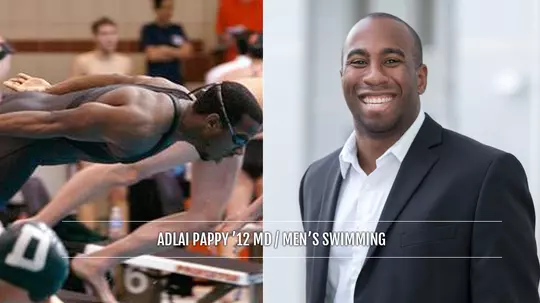
Adlai Pappy ‘12 MD / Men's Swimming
City, State / Workplace / Title
Boston, MA/ Brigham and Women's Hospital at Harvard University / Resident Physician
Medical Specialty / Other Degrees (MBA/MPH, etc.)
Anesthesiology and Pain / MD/MBA
What made you choose a career in healthcare?
My little brother's passing, when I was very young, influenced me to choose a career in medicine. Losing him had a significant impact on my family. Those in healthcare were vital in supporting my parents during and through that event. At Princeton, I saw personally how much of an impact a physician can make when I briefly thought my swimming career would be cut short. As a physician, treating patients is very fulfilling but working with patients through some of their most challenging points in life -- even without a curative treatment -- has led to some of the most rewarding experiences in my career.
What is the focus of your work today?
All physicians strive to provide the best evidence-based medical care and the best experience while their patients battle to get healthy. I continue to build my skills every day. I focus on augmenting my skills as an anesthesiologist and researcher, conducting research on pain and furthering our understanding of the potential downsides of opioids in chronic cancer pain patients. Outside of the day-to-day, I am focusing on developing skills to improve the healthcare system as a whole. Over the years, I observed healthcare lag in technology and incorporated policies, frustrating patients and physicians. I became interested in improving systems and improving healthcare quality, standardization, and efficiency. I pursued an MBA to develop the skills to lead teams to learn to implement improvements in healthcare policies.
How has your work changed in the face of COVID-19?
All physicians strive to provide the best evidence-based medical care and the best experience while their patients battle to get healthy. I continue to build my skills every day.Adlai Pappy
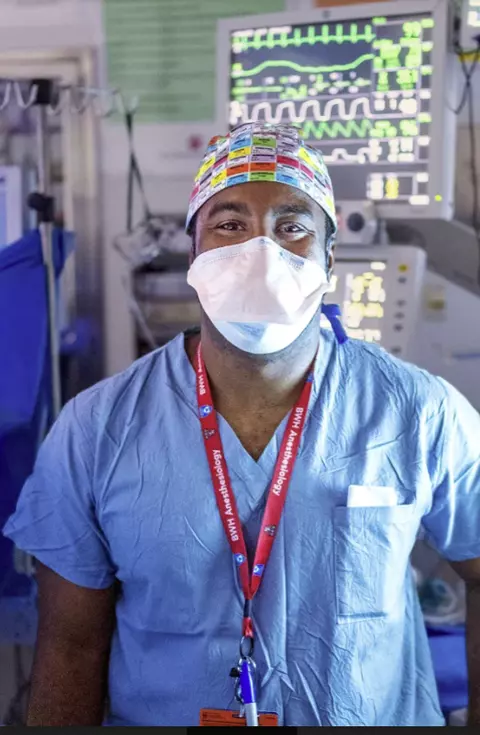
Anesthesiologists have a critical care skillset and the most clinical experience securing patient airways. Intubation, a life-saving procedure often required for critically sick COVID patients, is an aerosolizing procedure that dramatically increases the risk of exposure and contraction of COVID. Thus, COVID dramatically changed the way we approached intubation and added an element of stress to our specialty's day-to-day practiced medicine. We have implemented many precautions, the risk has significantly declined, and we are getting back closer to our baseline.
How did being a Princeton student-athlete prepare you for the challenges you’ve faced?
My life as a student-athlete gave me the skills to efficiently manage my time. You have to make decisions quickly and have the stamina to stay focused when you are tired. Additionally, during my time at Princeton, I got a job working Reunions through my relationships as a Princeton athlete. My work at Reunions thoroughly prepared me for 24-hour call shifts, and I often think back to my work experience there.
What keeps you inspired as you look ahead?
I'm inspired by my colleagues. Their innovative ideas. Their innovative research to improve patient care. Our technology continues to improve, and physicians are moving into roles to influence decisions to improve patient-centered care. We are moving past COVID, and our future is bright.
Medical School / Other Affiliations
Emory University School of Medicine
Tiger Heroes
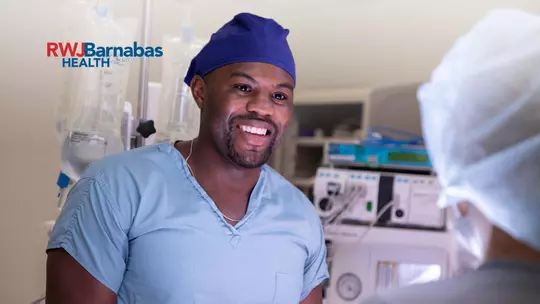
In partnership with RWJBarnabas Health, the official health care system of Princeton Athletics, “Tiger Heroes” honors front line workers and health care leaders from our alumni community. This digital and social series highlights alumni from all 37 varsity sports programs who have risen to the challenge since the onset of COVID-19. We also recognize special Princeton friends and family. Nominations may be sent to Jess Deutsch, Princeton's Associate Director, Student-Athlete Services: jdeutsch@princeton.edu