


Princeton University Athletics
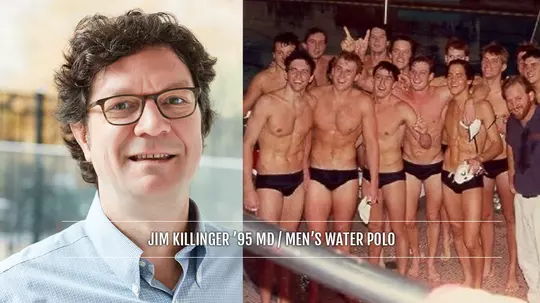
Jim Killinger ‘95 MD / Men’s Water Polo
City, State / Workplace / Title
New York, NY/Weill Cornell Medicine and Memorial Sloan Kettering Cancer Center/Associate Professor of Clinical Pediatrics at Weill Cornell Medicine and Medical Director of the Pediatric Intensive Care Unit at MSKCC
Medical Specialty / Other Degrees (MBA/MPH, etc.)
Pediatric Critical Care Medicine
What made you choose a career in healthcare?
I became interested in medicine while researching my thesis on Aid to Families with Dependent Children in the US (this was 1994-1995). I was tuned into the idea that physicians can help society in a much larger way than just in the doctor's office with a patient. During residency (intern year), I rotated through the Pediatric ICU at Oakland Children's and found a specialty that totally suited me, though somewhat different from my original plan.
What is the focus of your work today?
My primary responsibility is as the Medical Director of the Pediatric ICU at MSKCC in New York. I also work as an attending pediatric intensivist at Weill Cornell Medicine (directly across the street from MSKCC).
How has your work changed in the face of COVID-19?
Just like as an athlete on a team, you need to be able to lead when appropriate, to support the leader if that is what is needed, and to work with members of the team towards a common goal.Jim Killinger
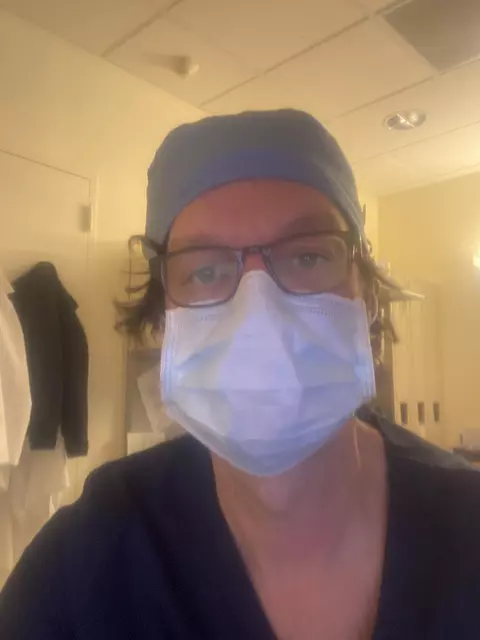
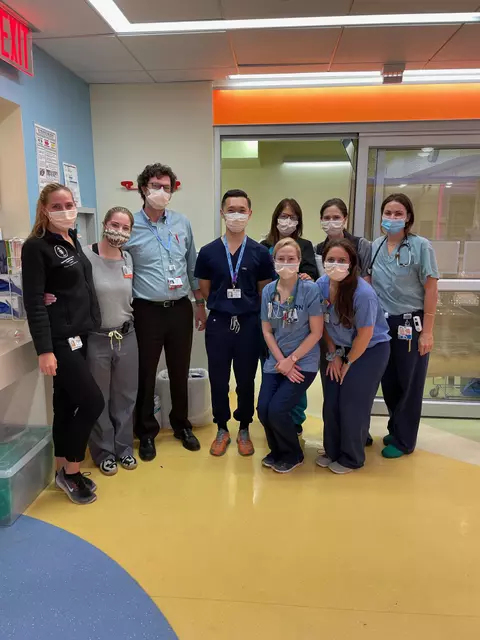
We had a huge change here in New York with the onset of COVID in March 2020. For us at NYPH-Cornell, the hospital consolidated children's services to our sister institution at NYPH-Columbia, and transitioned our pediatric beds (including the PICU) into an additional ICU as the crisis grew. Our team became an ICU caring for adults with COVID-related disease in short order. I am very proud to have been part of the team that went from being an ICU for children, and became a fully functioning ICU caring for critically ill adult patients, all with COVID-related disease - mostly respiratory and/or renal failure. We are in different phase now. We still wear far more PPE for patient encounters and have far fewer visitors for families in the ICU in order to comply with CDC social distancing guidance for health care facilities. We have certainly learned that being sick and alone is far worse than being sick with support from loved ones at the bedside.
How did being a Princeton student-athlete prepare you for the challenges you’ve faced?
ICU medicine is a team sport. Excellent care demands a multi-disciplinary team of physicians, nurses, nurse practitioners, physician assistants, pharmacists, respiratory therapists, social workers, physical and occupational therapists to work well. Just like as an athlete on a team, you need to be able to lead when appropriate, to support the leader if that is what is needed, and to work with members of the team towards a common goal. You also need to continually identify and develop junior members of the team so that the mission carries forward.
What keeps you inspired as you look ahead?
I work with a terrific group of people, many of whom are just starting out in their careers. I am inspired by their energy and talent. This is true of young physicians, nurses, nurse practitioners and physician assistants.
Medical School / Other Affiliations
Jefferson Medical College, Class of 2001
Tiger Heroes
In partnership with RWJBarnabas Health, the official health care system of Princeton Athletics, “Tiger Heroes” honors front line workers and health care leaders from our alumni community. This digital and social series highlights alumni from all 37 varsity sports programs who have risen to the challenge since the onset of COVID-19. We also recognize special Princeton friends and family. Nominations may be sent to Jess Deutsch, Princeton's Associate Director, Student-Athlete Services: jdeutsch@princeton.edu